Veneers 101: Comprehending Their Benefits and Exactly How They Change Your Dental Appearance
Veneers are becoming progressively popular for those seeking to improve their smiles. These thin coverings can effectively resolve different dental flaws, from discoloration to unevenness. Comprehending the advantages of veneers is necessary for anyone considering this transformative alternative. However, the procedure and options involved can be complicated. What variables should one think about prior to choosing? The responses might stun you.
What Are Veneers?
Veneers are thin shells made from porcelain or composite material that are custom-fitted to the front surface area of teeth. Dental Veneers. They are developed to improve the appearance of the smile by attending to various dental flaws. Commonly, veneers are made use of to correct problems such as discoloration, unevenness, and small spaces in between teeth. The application procedure requires an oral specialist to take precise dimensions and create mold and mildews to guarantee a best fit
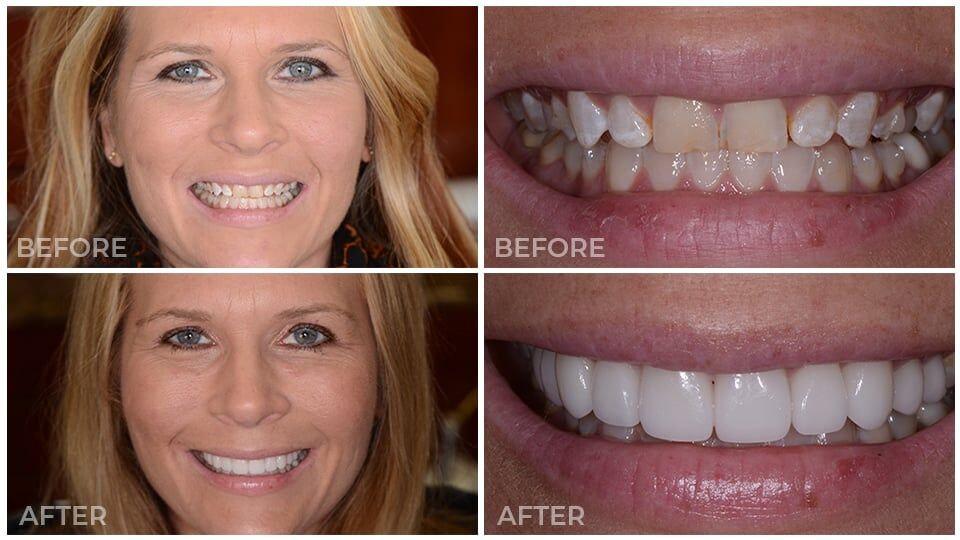
Prior to positioning veneers, a percentage of enamel may be gotten rid of from the tooth surface area to suit the shell, enabling a natural look. When positioned, veneers can significantly improve the appearances of an individual's smile, offering a brilliant and consistent appearance. Individuals often select veneers for their durability and resistance to discolorations, making them a prominent alternative for those seeking a long-lasting cosmetic remedy. Generally, veneers use a transformative technique to achieving an extra appealing smile.
The Advantages of Choosing Veneers
While several cosmetic oral options exist, choosing veneers uses a distinct blend of functional and visual advantages. Veneers boost the appearance of teeth, giving an all-natural appearance that can greatly improve a person's smile. They are particularly efficient in addressing concerns such as staining, chips, and gaps, making them a versatile remedy for numerous dental concerns.
In enhancement to their aesthetic charm, veneers are likewise durable and stain-resistant, making them a durable financial investment in oral looks. With proper care, they can maintain their look for lots of years. The application of veneers requires very little change to the all-natural tooth structure compared to various other alternatives, maintaining the integrity of the teeth.
The Veneer Application Refine
The veneer application procedure begins with an extensive consultation, throughout which the dental professional evaluates the individual's dental wellness and goes over aesthetic goals. This preliminary conference permits the dental practitioner to examine concerns such as staining, chips, or gaps, and determine if veneers are a suitable service. Once the person is deemed a good candidate, the following step entails preparing the teeth. This may include getting rid of a percentage of enamel to guarantee a correct fit for the veneers.
Perceptions of the teeth are then taken, which are sent to a dental laboratory where the custom-made veneers are developed. During this time around, a short-term solution may be provided. After a couple of weeks, the client go back to have the irreversible veneers fitted. The dentist checks the fit and color, making modifications as needed. Lastly, the veneers are bonded to the teeth using a strong adhesive, finishing the change and enhancing the person's smile.
Kinds of Veneers: Porcelain vs. Composite
When taking into consideration aesthetic oral choices, individuals usually weigh the benefits of porcelain and composite veneers. Porcelain veneers are preferred for their sturdiness and resistance to staining, making them an outstanding long-lasting service for boosting smiles. These thin coverings are customized to match the all-natural teeth, offering a lifelike appearance that lots of like. In addition, porcelain shows light in a similar way to all-natural enamel, contributing to an extra genuine look.
In contrast, composite veneers are normally more economical and can be applied in a single go to. Made from a tooth-colored material, they supply adaptability in shaping he has a good point and can be quickly fixed if harmed. They might not last as long as porcelain and are a lot more prone to tarnishing over time. Inevitably, the option between porcelain and composite veneers depends on private visual goals, budget considerations, and the particular dental circumstance, guiding clients towards the best option for their needs.
Keeping Your Veneers for Long life
Appropriate upkeep is vital for making sure the long life of veneers. Regular oral examinations play a significant duty, enabling experts to examine the condition of the veneers and bordering teeth. Excellent oral hygiene practices, such as brushing twice daily with a non-abrasive tooth paste and flossing, assistance prevent plaque buildup and maintain the total wellness of the mouth.
Furthermore, individuals must avoid utilizing their teeth as devices, which can jeopardize the integrity of veneers. Restricting the intake of hard or sticky foods minimizes the risk of damage. It is likewise advisable to refrain from routines like nail-biting or grinding teeth, as these can result in early wear.
Making use of a soft-bristled Full Report tooth brush and moderate mouth wash can further improve veneer care. By adhering to these easy yet reliable upkeep tips, individuals can enjoy their veneers' aesthetic advantages for several years to find, guaranteeing a beautiful smile that stands the examination of time.
Potential Threats and Factors To Consider
Many potential threats and considerations go along with the choice to get veneers. To begin with, the procedure normally calls for the elimination of a thin layer of enamel from the all-natural teeth, which can bring about increased sensitivity and potential damages otherwise performed properly. Additionally, veneers are not relatively easy to fix; as soon as used, the natural tooth structure is permanently modified.
There is likewise a threat of veneers damaging or fracturing, specifically if the private engages in practices like teeth grinding or biting difficult objects. Moreover, if the underlying tooth establishes decay after veneer positioning, it might complicate therapy choices.
Price is an additional consideration, as veneers can be pricey and commonly not covered by insurance policy. Individuals must be mindful of the demand for recurring maintenance and potential replacements every 5 to 10 years, making it vital to evaluate these aspects versus the visual advantages veneers give.

Often Asked Questions
Just How Long Do Veneers Commonly Last Before Requiring Replacement?
Veneers commonly last between 10 to 15 years, depending upon elements such as dental hygiene, way of living routines, and the top quality of products used. Regular dental examinations can aid guarantee their durability and excellent condition.
Can Veneers Be Eliminated Once Applied?
Yes, veneers can be removed as soon as applied (Porcelain Veneers). This process typically calls for professional help, as it entails cautious techniques to stay clear of harming the underlying tooth structure, which might be impacted by the veneer positioning.
Are Veneers Suitable for Every Person?
Veneers are not suitable for everyone. Individuals with considerable dental problems, such as serious decay or gum tissue condition, may require alternative treatments. A comprehensive dental analysis is vital to figure out candidateship for veneer application.
Do Veneers Require Unique Dental Products for Cleansing?
Veneers do not call for unique visit their website oral products for cleansing; nonetheless, making use of non-abrasive tooth paste and a soft-bristled tooth brush is advised. Porcelain Veneers. Normal oral exams and excellent oral health methods keep their appearance and long life successfully
What Is the Cost Range for Getting Veneers?
The expense for obtaining veneers commonly varies from $500 to $2,500 per tooth, depending upon elements such as material kind, dental expert expertise, and local pricing variations. People must seek appointments for exact estimates customized to their requirements.
Veneers are thin shells made from porcelain or composite material that are custom-fitted to the front surface of teeth. Prior to putting veneers, a small quantity of enamel may be gotten rid of from the tooth surface area to fit the shell, allowing for an all-natural look and feel. Veneers boost the appearance of teeth, providing an all-natural look that can substantially improve an individual's smile. Impressions of the teeth are after that taken, which are sent to a dental research laboratory where the custom-made veneers are developed. Routine dental exams play a considerable duty, allowing specialists to evaluate the condition of the veneers and bordering teeth.